 Jean Chatzky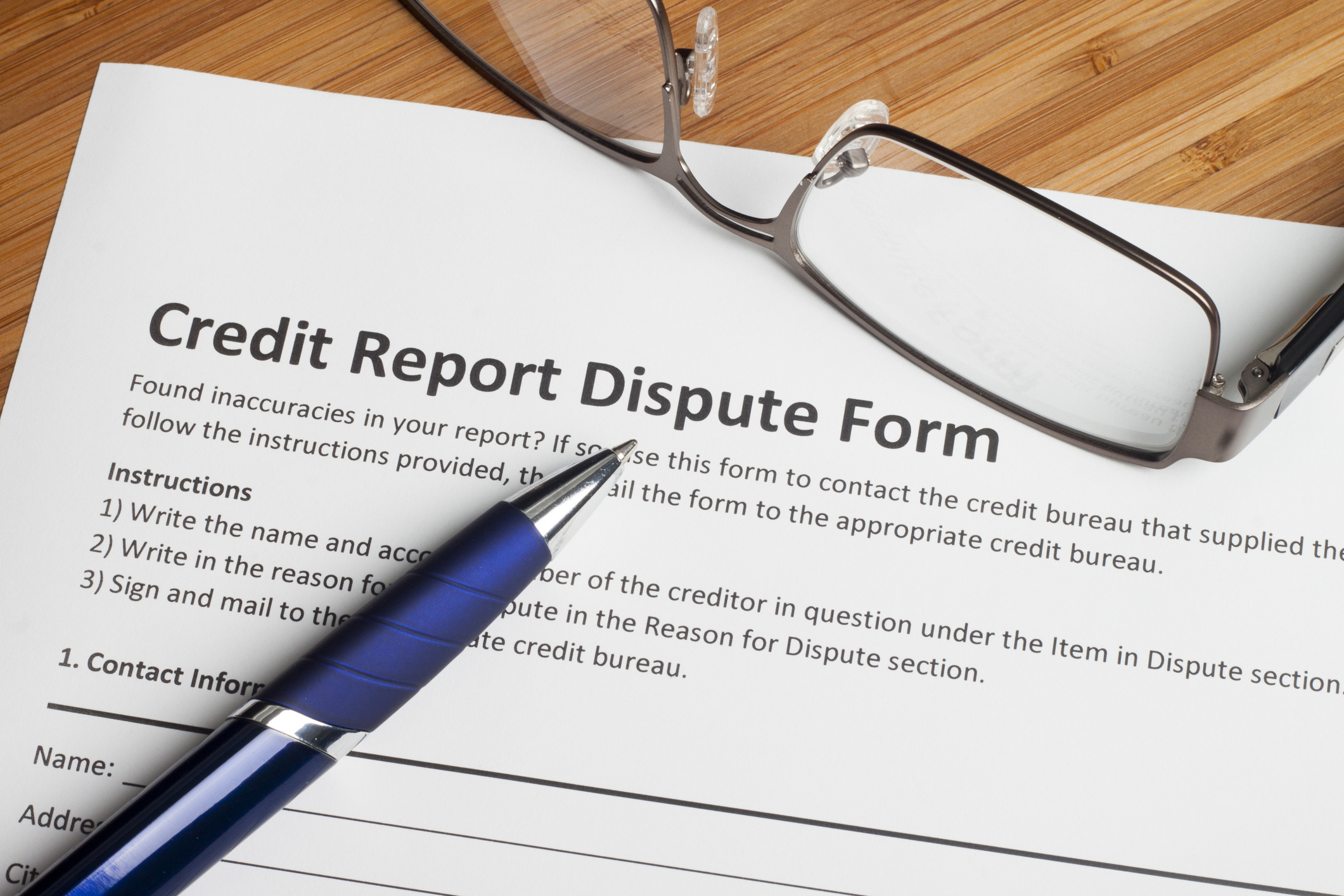
Do one thing: If a credit reporting bureau refuses to take action on your legitimate claim, it’s time to lean in and do your homework. Here’s what to do if your credit report dispute is rejected.
Mistakes Happen Every Day
In recent years, more Americans than ever have been documenting and reporting errors on their credit reports to the three main credit reporting agencies – Equifax, Experian, and TransUnion. After all, mistakes on your credit reports can potentially bring down your credit score, which can impact your ability to borrow money for a car or home with the most favorable terms.
Credit Report Errors are Common
The truth is, there are literally billions of pieces of financial and credit data traveling daily between businesses and credit reporting agencies, so it’s probably not a surprise that at least some of it is not going to make it to the right place, intact, every single time. Research shows that at least 25% of adults with credit reports in the U.S. have at least one error on those digital documents.
Learn how to dispute credit report errors with the three bureaus.
Be Diligent With Your Dispute
If you are among the one-fourth of U.S. adults who found an error, you may have also reached out to the agency that reported it to dispute the mistake. Here’s where things can get a little hairy.
- Not every dispute is immediately resolved in favor of the person who reported it.
- Sometimes, a bureau responds by saying the information was verified and will remain.
- That can continue to impact your score negatively.
If that has happened to you, here are some strategies for how to best handle the situation.
Your Credit Report Dispute Rejection Options
It’s important to know that if a credit reporting agency turns down your request, it doesn’t necessarily mean that’s the end of the road for your case.
- Requests can be denied for a few reasons—for example, if they seem frivolous to the bureau or if the information you provided was incomplete or inaccurate.
- This means that sometimes you just need to provide more detailed information or documents in round two.
Protip: If a credit reporting agency decides not to investigate your claim, it’s required to let you know within five days.
What To Do After a Credit Report Dispute is Rejected
Here are some steps after your credit report error dispute is rejected:
Review the Credit Report Dispute Rejection Notice Carefully
- Explanation Required. Credit bureaus are required to explain why they denied a dispute.
- Reasons for Denial. Some of the most common reasons for a denial, notes the Federal Trade Commission (FTC), include missing documentation or information the bureau considers irrelevant.
- Understanding the Reasoning. Knowing and understanding the exact reasoning can potentially help you decide your next move.
Gather and Resubmit Stronger Documentation
Before submitting the dispute again, do the following:
- Take time to collect clearer and more concise supporting evidence—such as billing statements, payment confirmations, bank records, letters, or emails—directly supporting your claim.
- You can also streamline any information you provided previously to make it easier to understand.
- Submitting more complete documentation can improve your chances if you resubmit a credit report dispute, notes the FTC.
File a Dispute Directly with the Company that Furnished the Data
If you can’t convince the credit bureau to act in your favor, according to the CFPB, you have other options:
- Contact the company that provided the information (such as a lender, landlord, or collection agency).
- Dispute the error directly with the company that furnished the data.
- The business that furnished the data is also legally required to investigate and respond to you.
With reporting by Casandra Andrews