 Chris O'Shea
Investing is one of the most effective ways to build long-term wealth—but many people assume you need a large amount of money to get started. You don’t. With today’s tools—including AI-powered platforms—it’s easier than ever to begin investing with small amounts and grow over time.
Start With Retirement
Investing is a great tool to grow your retirement nest egg, especially if you have access to a retirement account through work.
Contribute to a 401(k)
If your employer offers a 401(k), this is a perfect place to begin investing:
- Dedicate whatever amount you can safely invest per month into that account.
- If your employer matches your contributions, try to contribute enough to get the full match amount. That’s free money you’re leaving on the table if you don’t.
Open an IRA
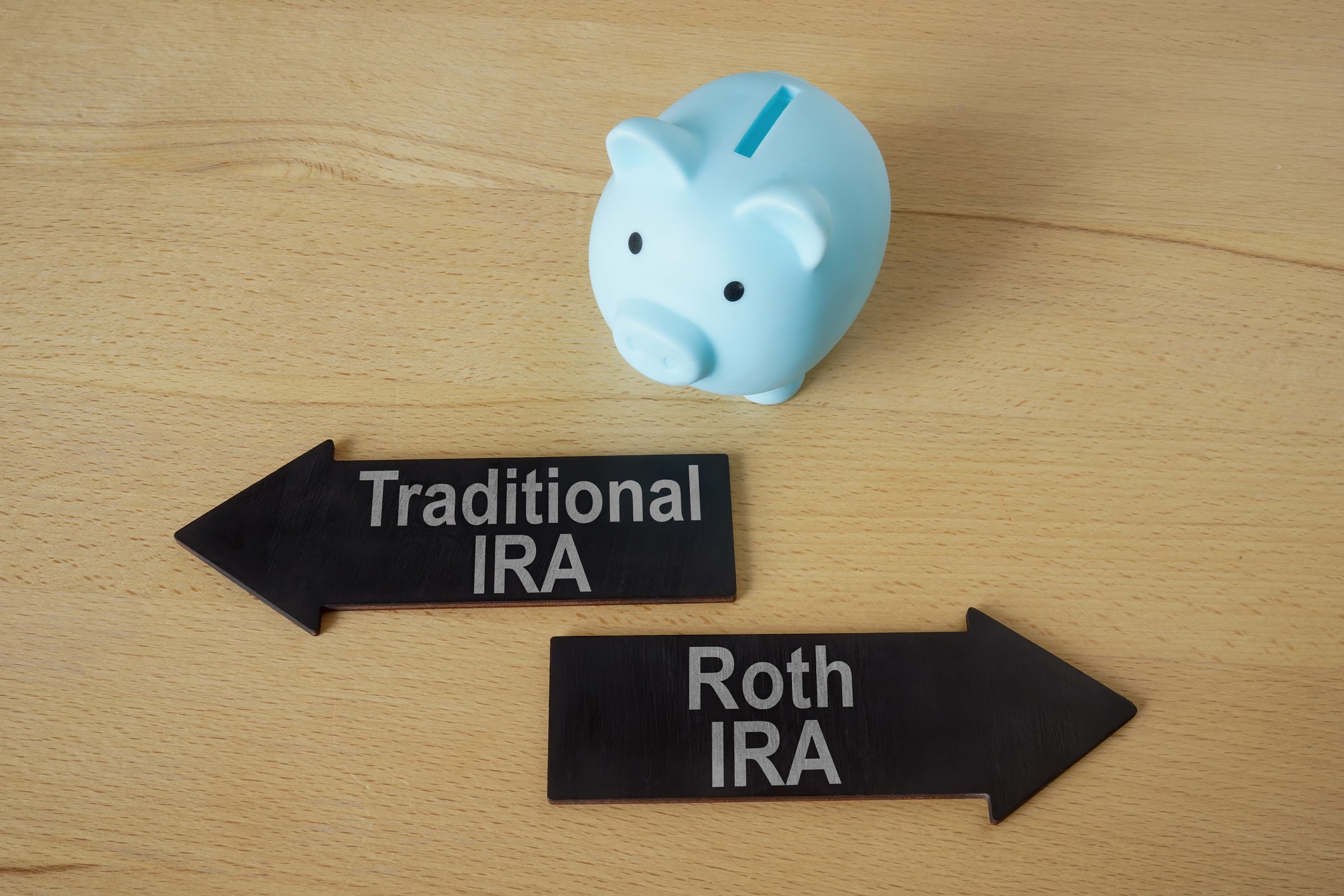
If you don’t have a 401(k) at work or would like another way to save for retirement, you can open a Traditional IRA or Roth IRA. The main difference between the two is how the taxes work.
- Traditional IRA. You invest “pre-tax” dollars, and then you pay the taxes on withdrawals in retirement.
- Roth IRA. You’re investing “after-tax” dollars, and then you don’t pay taxes on withdrawals during retirement.
How AI is Changing Investing
Technology—especially AI—is making investing more accessible and less intimidating for beginners.
Robo-Advisors (AI-Powered Investing)
These platforms use algorithms to build and manage a diversified portfolio for you. To get started with a robo-advisor, you provide the following information:
- Set your goals (saving for retirement, buying a house, general investing, etc.)
- Choose your risk level (from conservative to aggressive)
- Set a time horizon (when you need the money)
- Make your initial deposit (sometimes as little as $5–$50 to start)
The platform then automatically invests, rebalances, and optimizes your portfolio over time, based on your goals and preferences.
AI-Driven Tools
Outside of robo-advisors, many financial and investing apps now offer AI features that:
- Suggest investment allocations based on your goals.
- Analyze your spending and recommend how much you can invest.
- Provide simplified explanations of market trends.
- Help automate recurring investments.
This lowers the barrier to entry—you don’t need to be an expert to get started.
Ways to Start With Limited Money
If you’re working with a tight budget, here are practical ways to get started:
- Start Small and Automate. Decide once how much you can afford to invest every month, then automate it. Set up automatic contributions—even $10–$25 per week adds up.
- Use Fractional Shares. Many platforms let you invest in expensive stocks with just a few dollars.
- Buy the Index or ETFs. Low-cost index funds and exchange-traded funds (ETFs) offer diversification without requiring a large investment.
- Round-Ups. Some apps allow you to invest spare change from everyday purchases.
- Stick With Low Cost Platforms. Fees can eat into small balances quickly, so find a low or no-cost investment platform to get started.
Technology is a Guide
AI tools, apps, and other technology can simplify investing, but you should not blindly hand the keys over. Tech is a companion, not a crutch. These apps and tools don’t eliminate risk. The stock market will still fluctuate, and no tool guarantees returns. What they do provide is structure, consistency, and accessibility—especially helpful when you’re just starting.
The biggest advantage you have isn’t timing the market—it’s starting early and staying consistent, even with small amounts.
Do One Thing: Choose a low-cost platform (robo-advisor or brokerage) and set up an automatic weekly or monthly investment—even if it’s a small amount—to start building momentum.
This information is intended for educational purposes only. It is not to be used as investment, tax, or legal advice. For investment, tax, and legal guidance, please consult a licensed professional to help with your unique situation.


 Jean Chatzky