 Chris O'Shea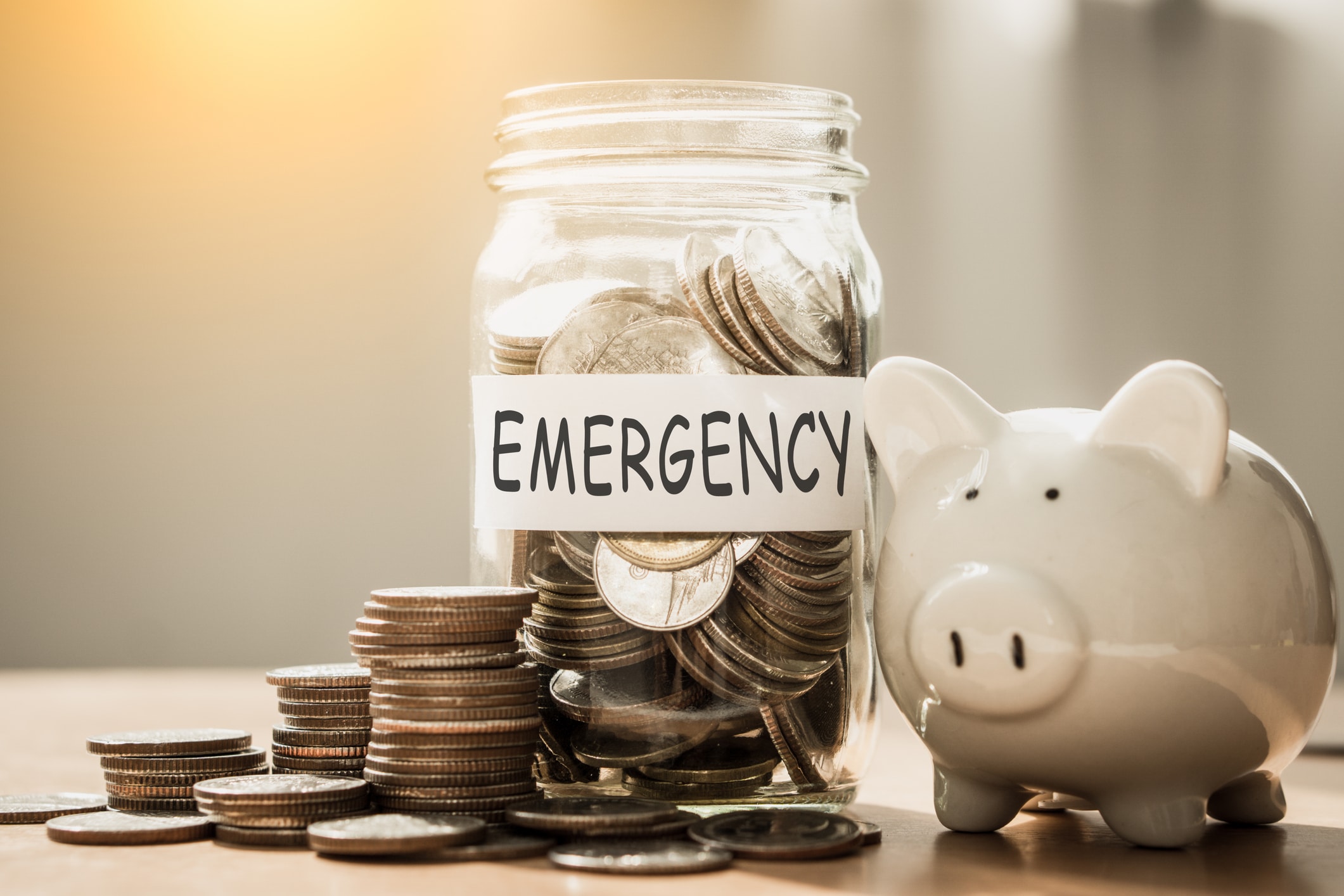
When a financial disaster strikes, you want to be prepared. To prepare for the unexpected that may occur in the future, like accidents, health issues, natural disasters, or job loss, you’ve got to start today. There are some things you can do to be ready. Here’s a quick guide to prepping for a financial emergency.
Start with Your Budget First
Make sure you have a solid household budget in place. If your budget is in order, you’ll be less impacted by a financial pitfall. Go through your budget and make sure it is up to date. Ideally, you want to have the following things in proper order:
- Income. Understanding of all the income sources coming in every month
- Insurance. Lower your financial risk with the proper health, car, home, and life insurance coverage
- Expenses. Know how much it costs to maintain your current monthly lifestyle
This leads to the next bulletpoint, emergency savings.
Boost Your Emergency Fund
Your emergency savings is called that for a reason, so that if there’s an emergency, you have the savings to cover it without using high-interest credit cards.
- Add up your monthly expenses (ex. $2,500 in total)
- Multiply that number by six (ex. $2,500 x 6 months = $15,000)
- This gives you a solid emergency savings goal to aim for
If you don’t have six months’ worth of expenses stashed away, set a goal to get there as quickly as possible.
Reduce Your Debt
You don’t want to be dealing with mounds of debt and a financial emergency at the same time.
- Set a goal to reduce your total amount of debt.
- Cutting your debt lowers your monthly expenses, which effectively lowers your emergency savings amount.
- Tackle the debt with the highest interest rate first, then keep going from there.
Automate Savings
Prepare for the impact of a financial emergency by having your savings ready. Most workplaces allow you to split your direct deposit paycheck into two spots, so make sure some of your money is going directly into a savings account each pay period.
Do One Thing: Make sure you have at least six months’ worth of expenses stashed away to help deal with a financial emergency.


 Jean Chatzky