 Chris O'Shea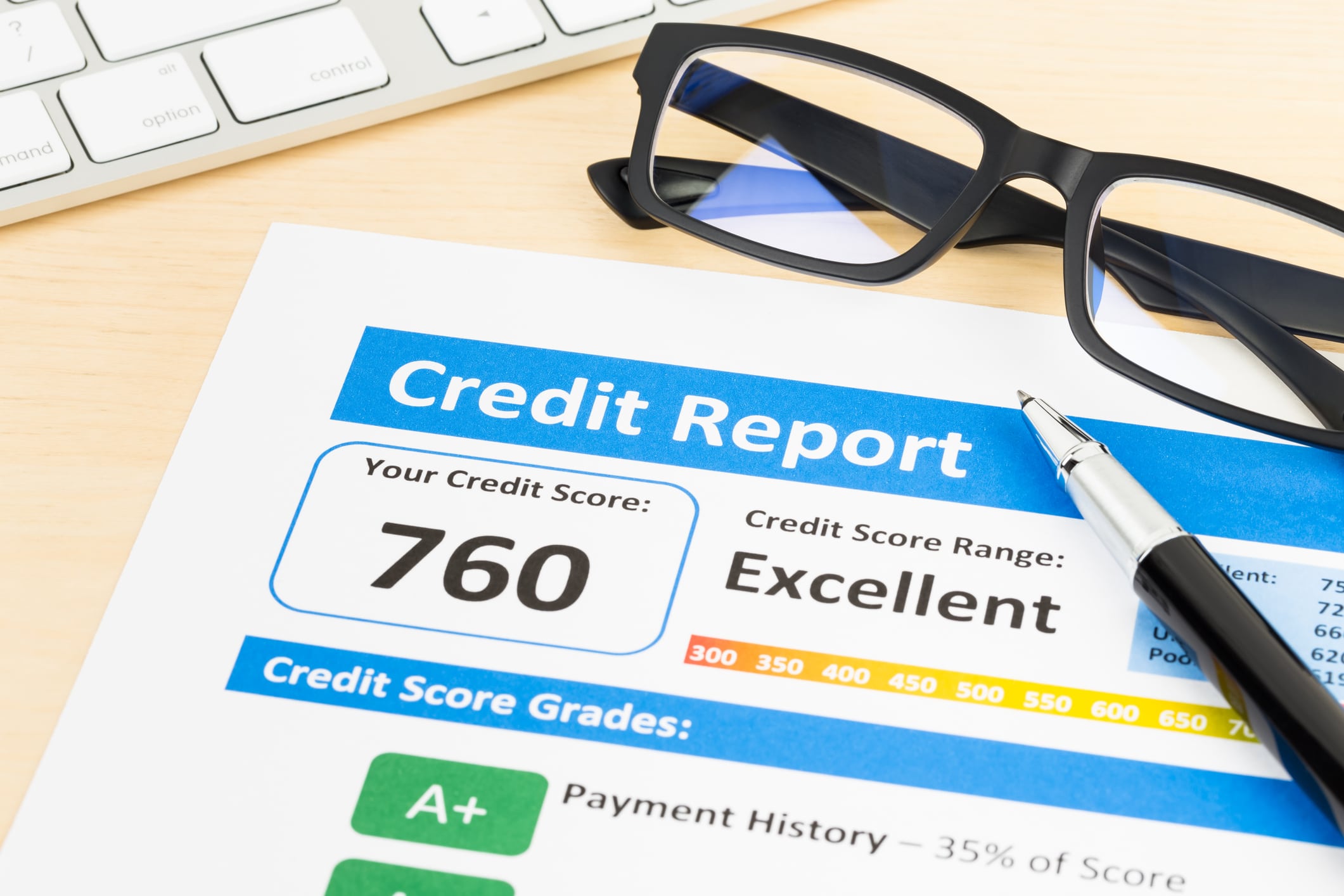
Checking your credit report is a vital part of maintaining a solid financial footing. Here’s what you need to know about your credit report.
What’s in a Credit Report?
Your credit report contains information about all of your credit accounts and personal information.
Credit-Related Information
Your credit report contains the following credit data:
- Payment histories
- Balances
- Credit limits
- Credit inquiries
Personal Information
Along with credit data, your report also contains the following personal info:
- Name
- Address (current, previous addresses)
- Social Security number
- Past and present employers
Why Checking Your Report Matters
Your credit report plays a major role in your financial life — from loan approvals to interest rates. Reviewing it regularly helps you stay informed and in control. Here are some other reasons why checking your report is important:
- Catch Errors. Checking your report regularly allows you to catch any errors or incorrect information early and dispute them quickly.
- Track Progress. The more you check your report, the more familiar you are with what’s going on in your financial life. Monitoring your report gives you insights into how paying down debt or improving payment history is reflected over time.
- Fraud and Identity Theft Detection. Checking your credit report often helps you see any irregular or fraudulent activity and take action to eliminate or minimize any damage.
Does Checking Your Credit Hurt Your Score?
No. Checking your credit report or score does not hurt your score. When you review your credit, it’s considered to be a soft inquiry or soft credit pull. It does not affect your credit.
Credit Check Differences
There are two distinct methods of checking your credit report and score. They are called inquiries, and they differ in the following ways:
- Soft Credit Inquiries. Soft inquiries or soft credit pulls are initiated by you, the consumer; they don’t affect your score, and you can check as often as you like.
- Hard Inquiries. Lenders and creditors initiate a hard credit pull to get more detailed information when you apply for a loan or credit card. Hard inquiries cause your score to drop temporarily.
Access to Your Credit Report
There are a couple of ways you can get your hands on your credit report.
- Directly Through the Bureaus. The credit bureaus allow you check your credit report once a week. The hope is that if you can check your report more often, your credit will improve. It didn’t use to be this way, but you can take advantage of the opportunity to check your report at least once per month.
- SavvyMoney. If you use SavvyMoney through your online or mobile banking, you have access to your score and report, 24/7.
Do One Thing. Go to SavvyMoney to view your credit report or use annualcreditreport.com to pull each of your credit reports – one from Equifax, one from Experian, and one from TransUnion. Check your report at least quarterly, if not monthly.

 Jean Chatzky
 Matthew Mack