 Jean Chatzky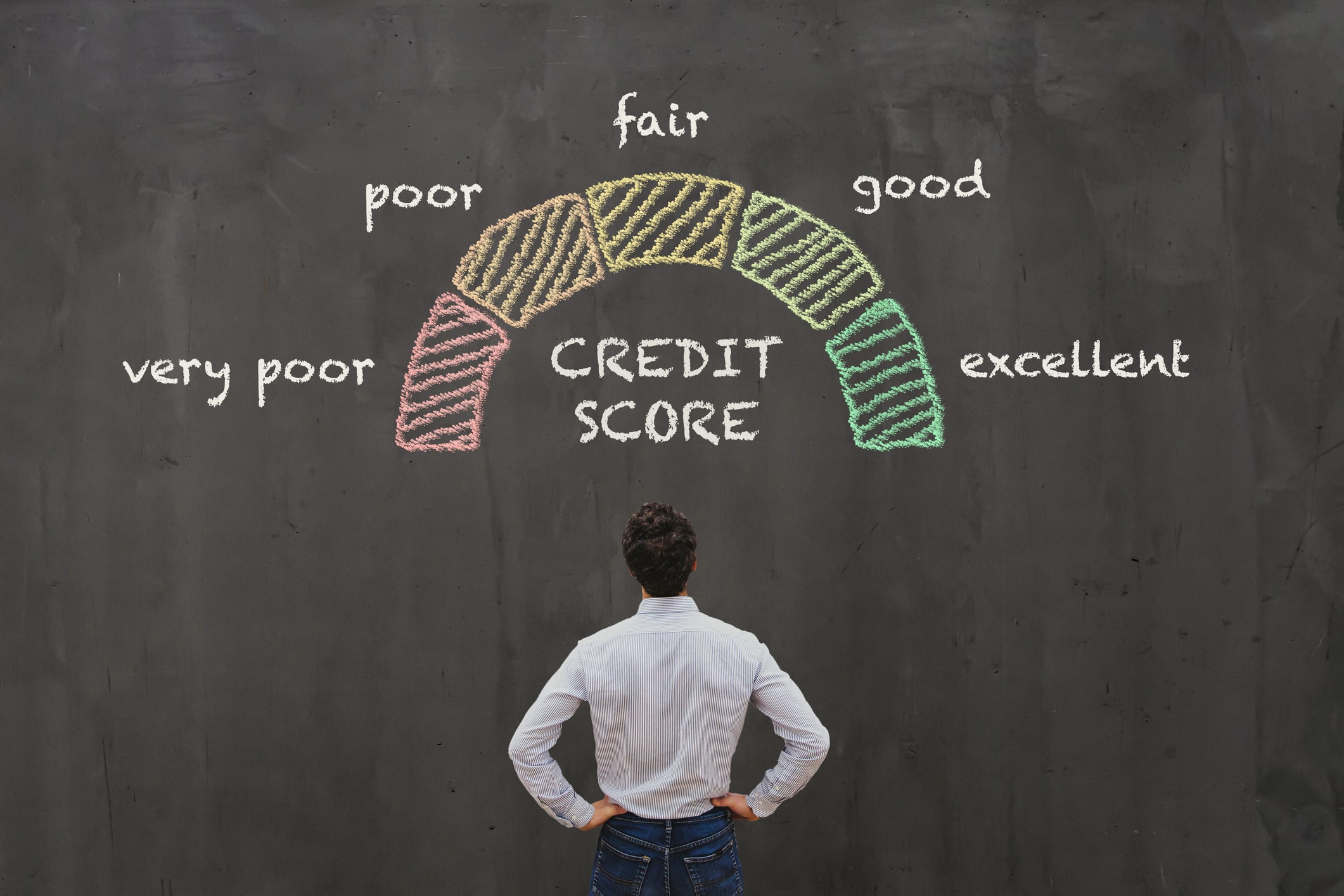
Understanding your credit score – including how it’s calculated and what you can do to build and maintain a solid one – is key to your continued financial health. That’s because, as you may know, the higher your credit score, on a scale from 300 to 850, the better your chances of snagging the best rates for loans, credit cards, and mortgages. And that can ultimately save you thousands of dollars when it comes time to borrow money for a home or other big-ticket item.
Why Credit Scores Matter
If a big mortgage is not in your immediate future, there are plenty of other reasons you need a solid credit score. Such as? Having good or excellent credit also means you will potentially pay less for rent and car insurance (and receive lower interest rates on credit cards) than someone with a lower score.
Multiple Credit Scores
When it comes to credit scores, there is, unfortunately, no ‘one and done’ method for figuring out what your score is. That’s because most adults with credit don’t just have one score. Instead, many of us have dozens of (similar) scores floating around because different companies want to know different things about our spending habits and payment histories.
Breakdown of FICO and VantageScore®
We’ll focus on the two major credit scoring models: FICO and VantageScore®.
- Brief History of Credit Scoring. FICO, which stands for the Fair Isaac Corporation, was created in 1989. FICO was a pioneer in establishing a method for calculating credit scores from information collected by credit reporting agencies, according to the Consumer Financial Protection Bureau.
- VantageScore® Emerges. Some 17 years later, in March 2006, the three largest national credit reporting agencies — TransUnion, Equifax, and Experian — came together to create VantageScore®, a method designed to compete with FICO. Updated versions of both scoring models continue to be used today by millions of lenders nationwide.
How the Scoring Models are Different
When it comes to what differentiates FICO and VantageScore®, here are some of the main differences:
VantageScore®4.0
- Uses “trended credit data” to track how individuals manage credit over time.
- Provides scores to people with limited credit history
- More forgiving of paid or medical collections.
FICO 8
- Takes a “snapshot” of your credit history
- Focuses on payment habits
- Looks at how balances are managed
VantageScore® 4.0
In 2017, VantageScore® 4.0 was launched and began focusing on what’s known as “trended credit data.”
- What is “Trended Credit Data?” Trended data focuses on changes in an individual’s credit behaviors over time, instead of using a “snapshot” that shows a single point in time from a person’s credit history.
- Why it Matters. This means VantageScore 4.0 considers how your credit utilization changes, or how it’s trending. Credit utilization is the amount of credit being used on all of your credit card accounts compared to the amount of total credit available to you. Using such data can be beneficial for someone who has been working to pay down credit card debt over time.
VantageScore® 4.0 Components
Each category is weighed differently. Here’s how your VantageScore® 4.0 breaks down:
- 41% Payment History. Lenders want to see a history of consistent, on-time payments.
- 22% Credit Usage. Also known as credit utilization, it’s the ratio between the total balance you owe and your total credit limit on your accounts.
- 20% Credit Age. This looks at how long you’ve had different kinds of credit accounts open. The older your credit history, the better.
- 11% Inquiries. This is based on recent credit applications. Opening multiple credit accounts over a short period of time could represent a greater risk for lenders, so avoid opening too many accounts too quickly.
- 6% Account Mix. Your credit mix considers the number and type of accounts you have. If you have a mix of both installment credit, like mortgages or car loans, and revolving credit, like credit cards, your score will likely be higher.
FICO
FICO scores range from 300 to 850 and are used by many lenders to assess credit risk. It’s based on data from the three major credit bureaus (Experian, Equifax, and TransUnion).
FICO Score Components
Here’s how the latest version of the FICO 8 score breaks down:
- 35% Payment History. Lenders see your payment history as the best predictor of future behavior.
- 30% Amount of Debt. Commonly known as credit utilization, it’s the ratio between the total balance you owe and your total credit limit on your accounts.
- 15% Length of Credit History. Measures how long your credit accounts have been open; older accounts show credit stability.
- 10% Amount of New Credit. Lenders look at how many new credit accounts or hard inquiries you have.
- 10% Credit Mix. This shows the variety of credit types you use, including revolving credit accounts and installment loans.
Improving All of Your Credit Scores
Want to work to improve your credit scores? The steps are simple, but not easy. It takes some time and effort, but if you do these things consistently, you may see your scores improve over time:
Pay all of your bills on time, every time.
Keep your balances low by using 30% or less of the credit available to you.
Don’t apply for credit cards you don’t need.
Don’t close older accounts unless they are charging high fees. If that’s the case, contact the company to see if you can switch to a no-fee card with the same lender.
Check your credit reports every few months to make sure there are no errors that could be dragging down your scores.
Note: You have 24/7 access to your credit report, credit scores, and other financial data on SavvyMoney through your mobile and online banking.
With reporting by Casandra Andrews


 Matthew Mack